A review of four early Christian cities in modern day Turkey.
Ephesus
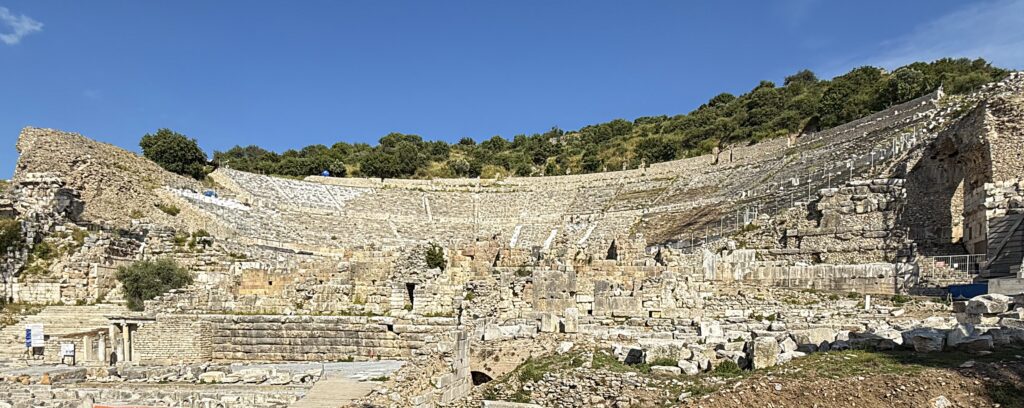
Ephesus was the Roman Provincial Capitol of Asia (modern day Turkey) and as such was a natural missionary center for the early church. Paul visited Ephesus on both his 2nd and 3rd missionary journeys. On his 3rd missionary journey, Paul stayed in Ephesus for two years. There was in Ephesus a large and wealthy temple to the goddess Diana/Artemis. And the silversmiths of the city did a lucrative trade in silver statuettes of the goddess. One of these silversmiths came to the theater, which held 25,000 people, and accused Paul of heresy to Diana (which might endanger his livelihood).
“For a certain man named Demetrius, a silversmith, which made silver shrines for Diana, brought no small gain unto the craftsmen; Whom he called together with the workmen of like occupation, and said, Sirs, ye know that by this craft we have our wealth. Moreover ye see and hear, that not alone at Ephesus, but almost throughout all Asia, this Paul hath persuaded and turned away much people, saying that they be no gods, which are made with hands: So that not only this our craft is in danger to be set at nought; but also that the temple of the great goddess Diana should be despised, and her magnificence should be destroyed, whom all Asia and the world worshippeth. And when they heard these sayings, they were full of wrath, and cried out, saying, Great is Diana of the Ephesians. And the whole city was filled with confusion… And when Paul would have entered in unto the people, the disciples suffered him not. And certain of the chief of Asia, which were his friends, sent unto him, desiring him that he would not adventure himself into the theatre… all with one voice [in the theater] about the space of two hours cried out, Great is Diana of the Ephesians. And when the townclerk had appeased the people, he said, Ye men of Ephesus, what man is there that knoweth not how that the city of the Ephesians is a worshipper of the great goddess Diana, and of the image which fell down from Jupiter? Seeing then that these things cannot be spoken against, ye ought to be quiet, and to do nothing rashly… For we are in danger to be called in question for this day’s uproar, there being no cause whereby we may give an account of this concourse. And when he had thus spoken, he dismissed the assembly.” Acts 19: 22-41. After this Paul left and continued his journey.
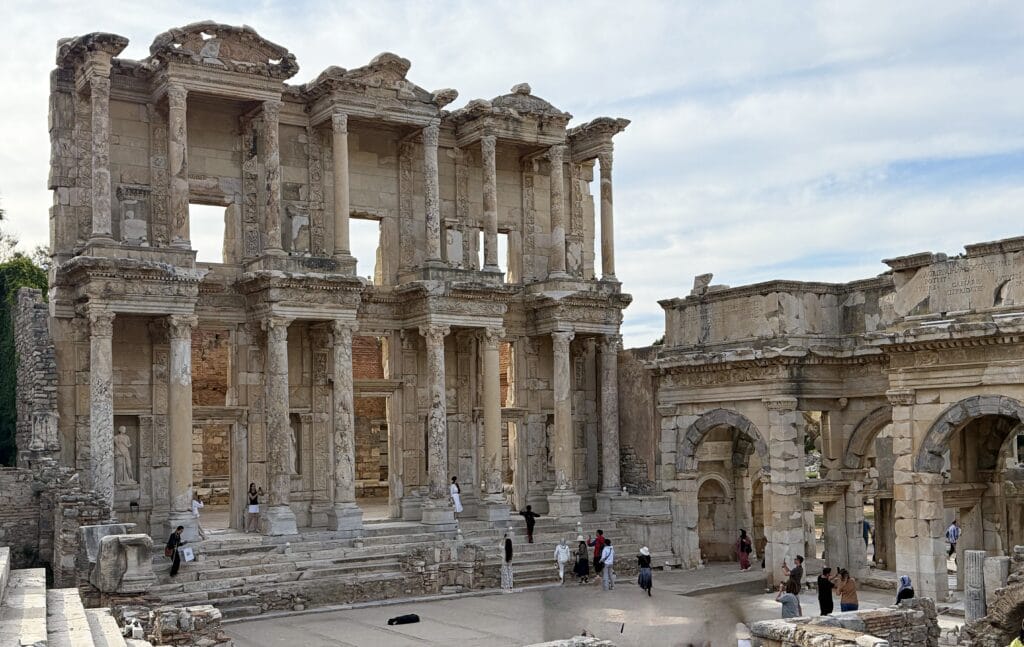
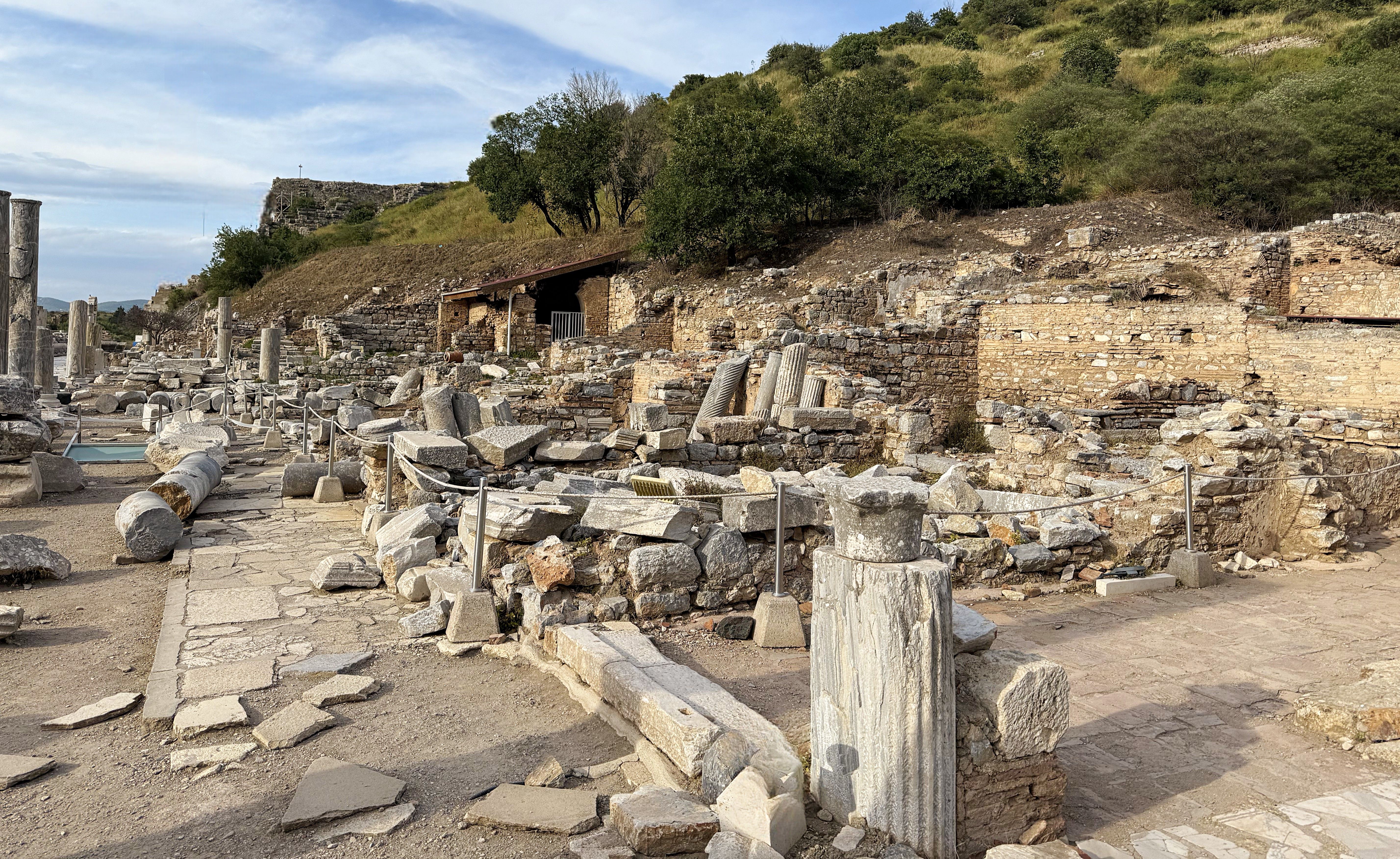
John the Revelator also visited Ephesus and possibly brought Mother Mary with him. Ephesus was one of the seven churches that John sent the Book of Revelation to:
“Unto the angel of the church of Ephesus write; … I know thy works, and thy labour, and thy patience, and how thou canst not bear them which are evil: and thou hast tried them which say they are apostles, and are not, and hast found them liars: And hast borne, and hast patience, and for my name’s sake hast laboured, and hast not fainted. Nevertheless I have somewhat against thee, because thou hast left thy first love. Remember therefore from whence thou art fallen, and repent, and do the first works; or else I will come unto thee quickly, and will remove thy candlestick out of his place, except thou repent. But this thou hast, that thou hatest the deeds of the Nicolaitans, which I also hate. He that hath an ear, let him hear what the Spirit saith unto the churches; To him that overcometh will I give to eat of the tree of life, which is in the midst of the paradise of God.” Revelation 2:1-9.
Cappadocia
There were Jews from Cappadocia who were present and converted on the day of Pentecost (Acts 2:9). And the Epistle of 1 Peter was written to the Christians in Cappadocia as well as other places (1 Peter 1:1).
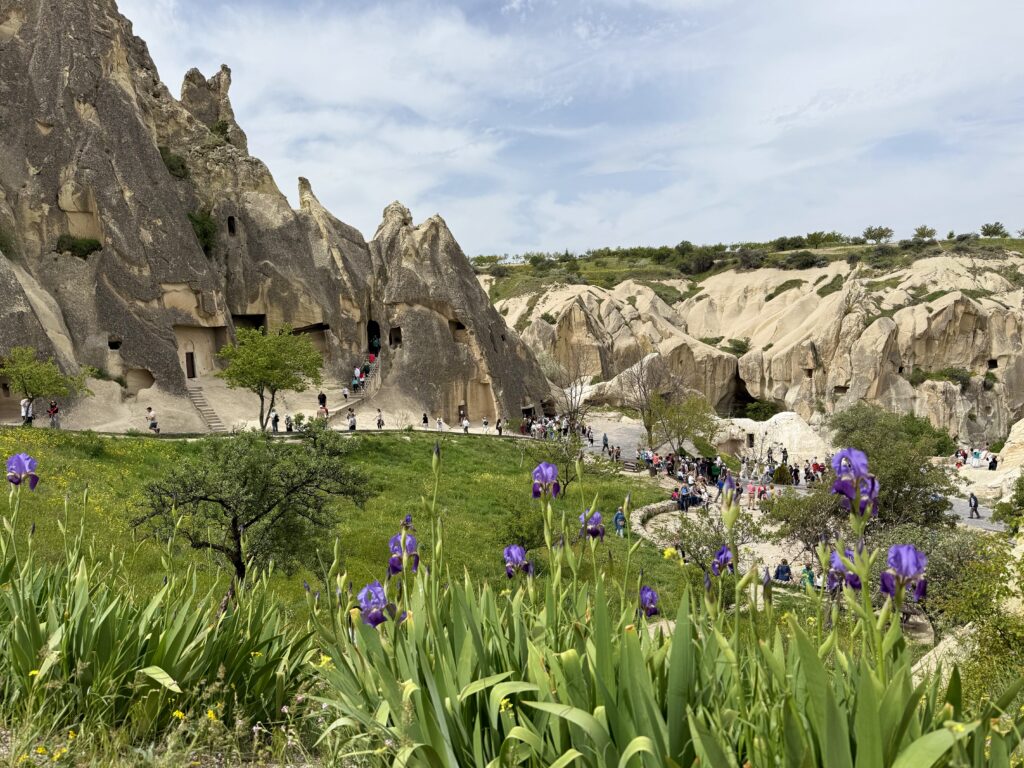
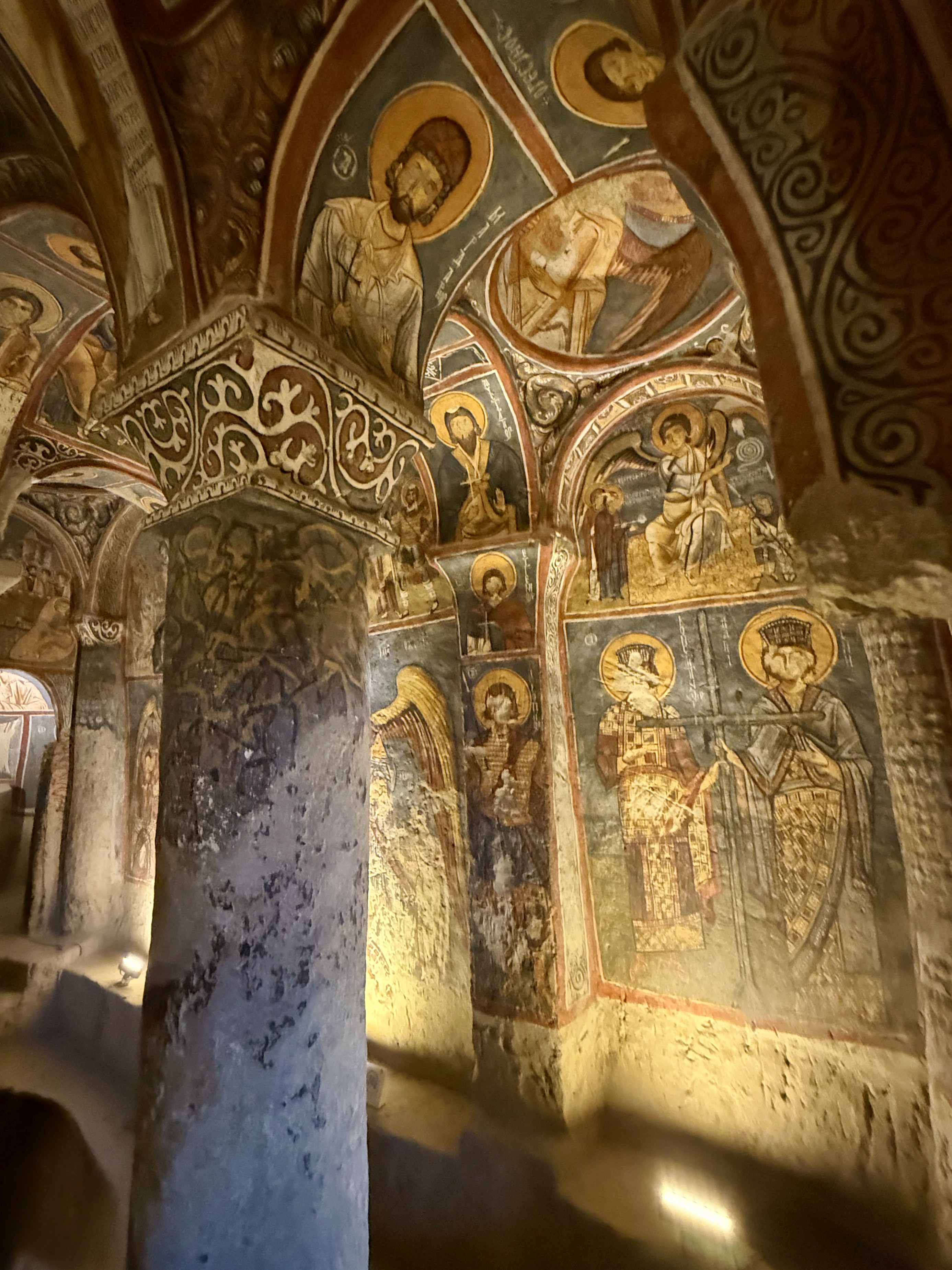
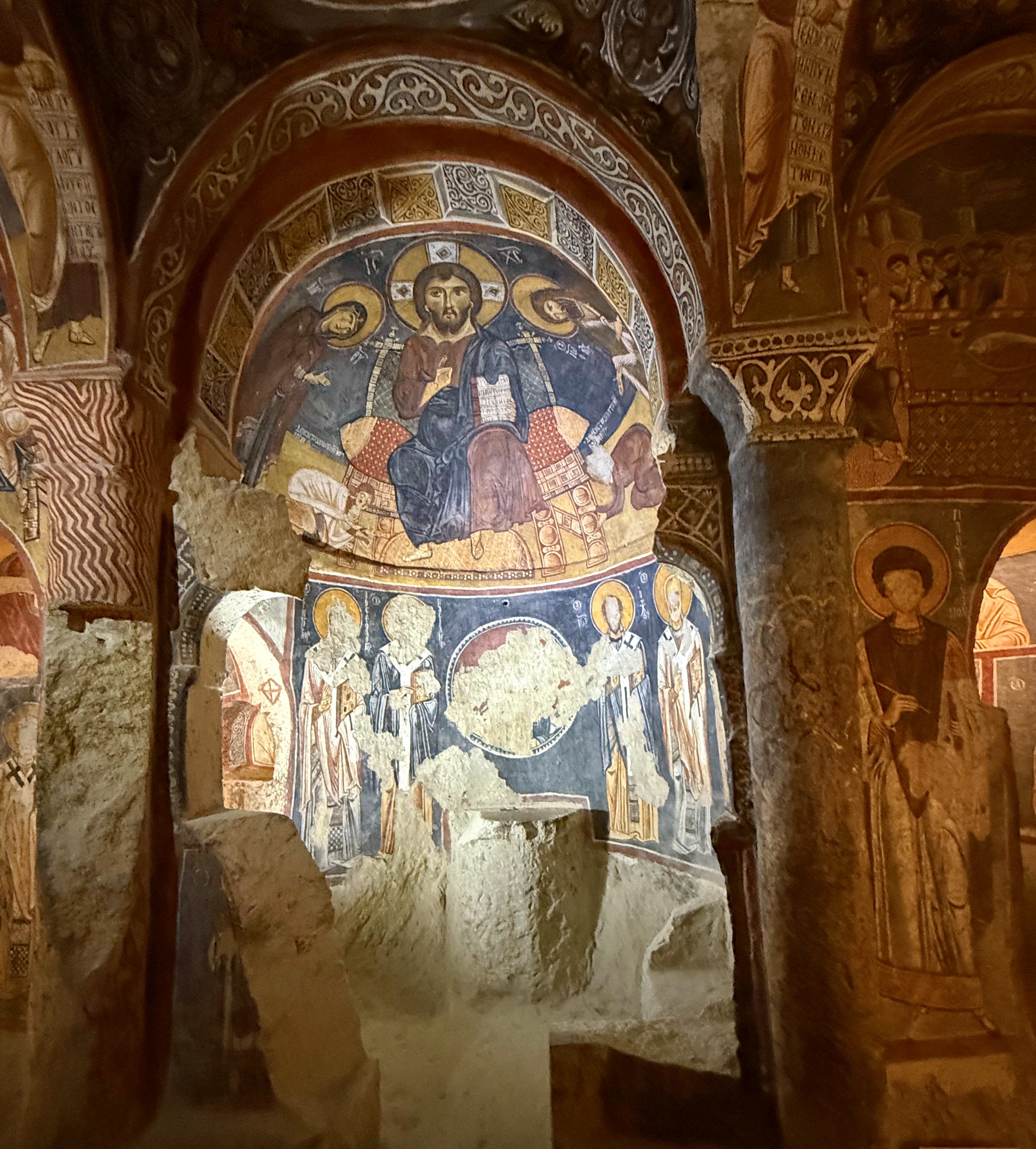
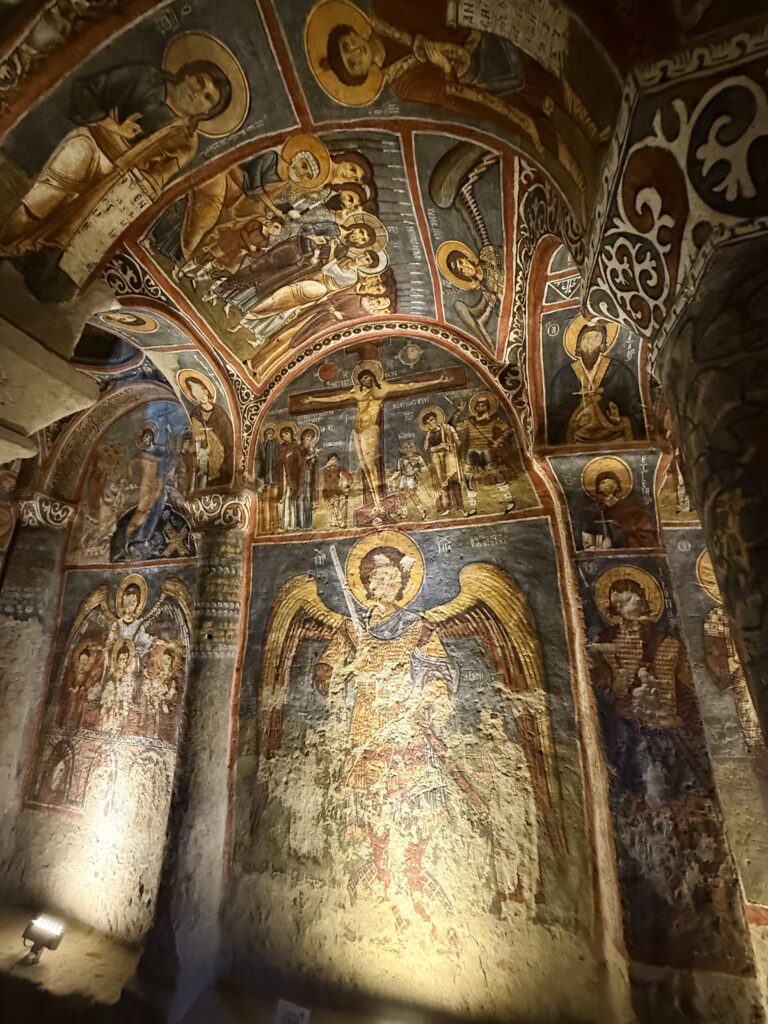
The pictured places in Cappadocia are in the Goreme Valley Open Air Museum. Christians began settling in this secluded valley for protection from the Roman Empire around the end of the 100’s AD. When the Emperor Constantine declared Christianity to be the religion of the Empire there was no further need of hiding and the area was deserted, accept for a few monks. Nothing is left from this early period other than a few tombs. Then when the Muslim’s conquered the region the Christians again began migrating to this secluded valley in around 800 AD. The cave churches picture below date from around 1000 AD. There is no record of when the site was again abandoned. But it was forgotten until around the end of the 1700’s.
Hierapolis
A city where a branch of the church was started under the guidance of Paul (Colossians 4:12-13). According to the early Christian historian Eusebius (260-340 AD), the Apostle Philip spent the last few years of his life here. He was eventually martyred by crucifixion on a hill overlooking the city.
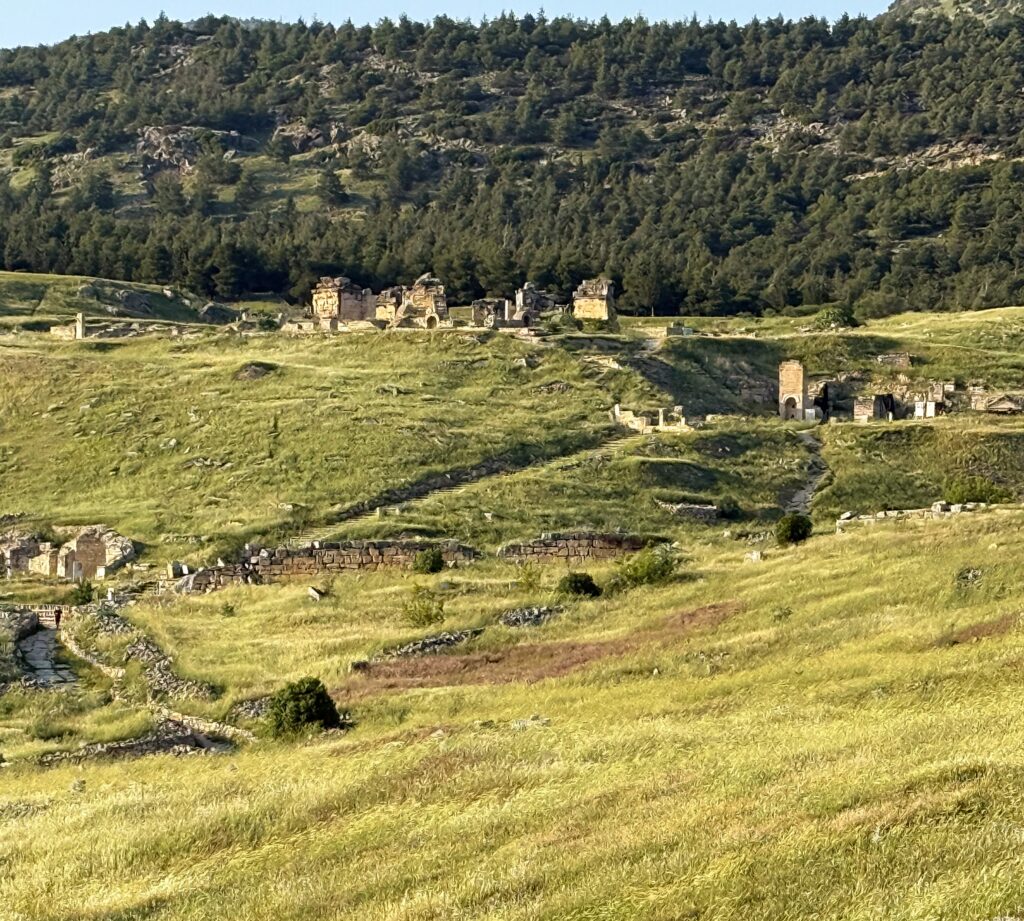
The city of Hierapolis has as a prominent feature several hot thermal springs that are heavy in the travertine mineral. The people of Hierapolis believed that one of the largest hot water springs was the gate to the underworld/Hades.
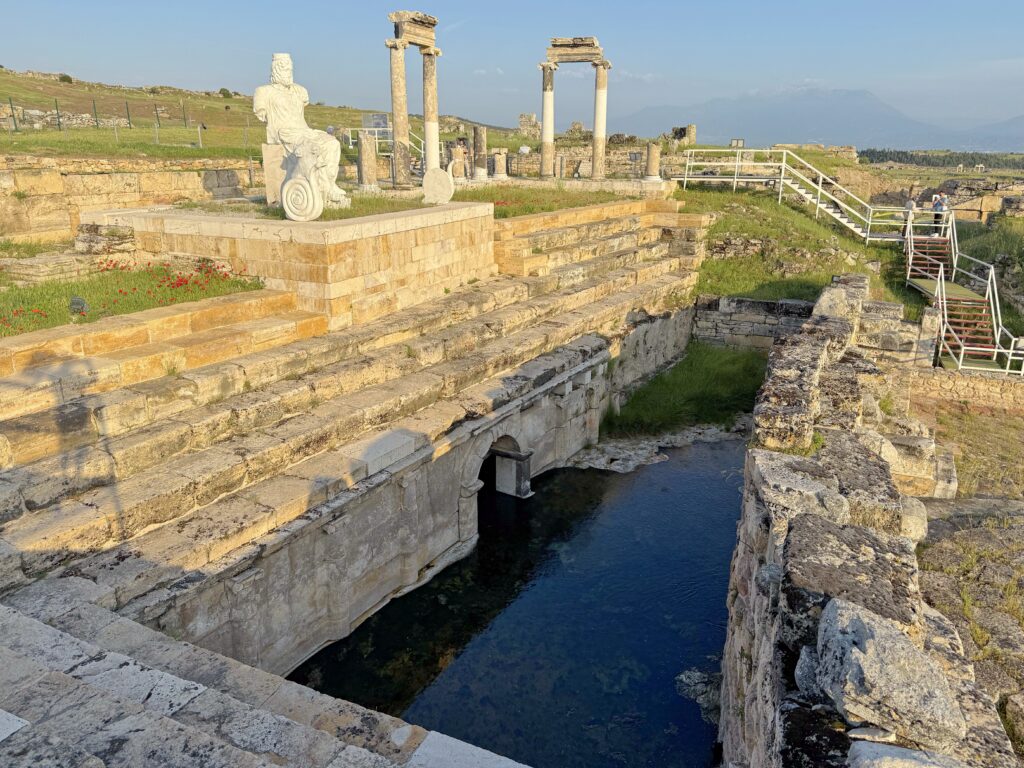
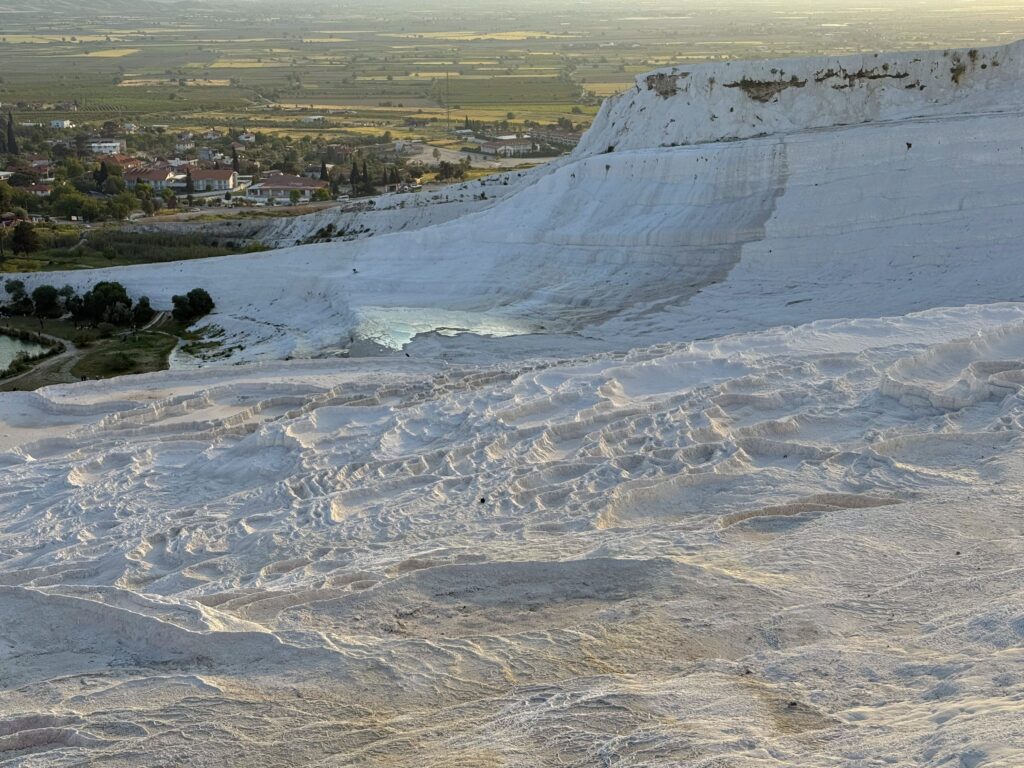
Hierapolis was very close to both Colassae (about 12 miles/19 km) and Laodicea (about 6 miles/10 km away). The latter was also one of the seven churches written to in Revelation:
“And unto the angel of the church of the Laodiceans write; These things saith the Amen, the faithful and true witness, the beginning of the creation of God; I know thy works, that thou art neither cold nor hot: I would thou wert cold or hot. So then because thou art lukewarm, and neither cold nor hot, I will spue thee out of my mouth. Because thou sayest, I am rich, and increased with goods, and have need of nothing; and knowest not that thou art wretched, and miserable, and poor, and blind, and naked: I counsel thee to buy of me gold tried in the fire, that thou mayest be rich; and white raiment, that thou mayest be clothed, and that the shame of thy nakedness do not appear; and anoint thine eyes with eyesalve, that thou mayest see. As many as I love, I rebuke and chasten: be zealous therefore, and repent.” Revelation 3:14-12.
The hot springs of Hierapolis are compared to the cool springs of Colassae. Laodiceans are told they should be either hot or cool, they should be spiritually healthy, and not be half heartedly committed to the gospel.
Pergamon (Pergamos)
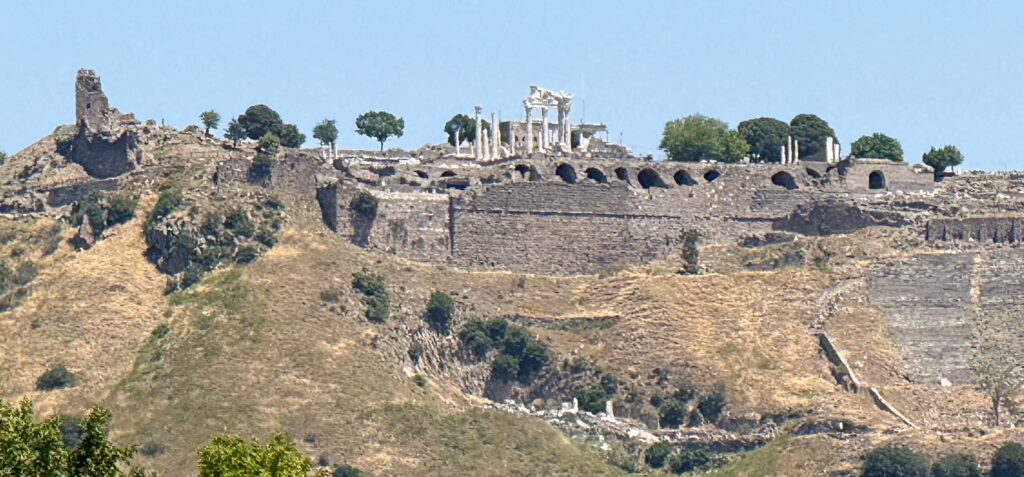
“And to the angel of the church in Pergamos write; These things saith he which hath the sharp sword with two edges; I know thy works, and where thou dwellest, even where Satan’s seat is: and thou holdest fast my name, and hast not denied my faith, even in those days wherein Antipas was my faithful martyr, who was slain among you, where Satan dwelleth. But I have a few things against thee, because thou hast there them that hold the doctrine of Balaam, who taught Balac to cast a stumblingblock before the children of Israel, to eat things sacrificed unto idols, and to commit fornication. So hast thou also them that hold the doctrine of the Nicolaitans, which thing I hate. Repent; or else I will come unto thee quickly, and will fight against them with the sword of my mouth. He that hath an ear, let him hear what the Spirit saith unto the churches; To him that overcometh will I give to eat of the hidden manna, and will give him a white stone, and in the stone a new name written, which no man knoweth saving he that receiveth it.” Revelation 2:12-17.
The Nicolaitans were a sect in Asia (modern Turkey) that claimed license for sexual acts.
The advice given to each of the seven churches in Revelation chapters 2 and 3 are still valid for people today.
< Previous post on The Virgin Mary’s House at Ephesus
Return to the Homepage
Next post on A Mysterious Giant Column in Jerusalem >